
2026-09-18 · Rick Sanders
Sump Pump Repair Tips Before Akron Spring Thaw
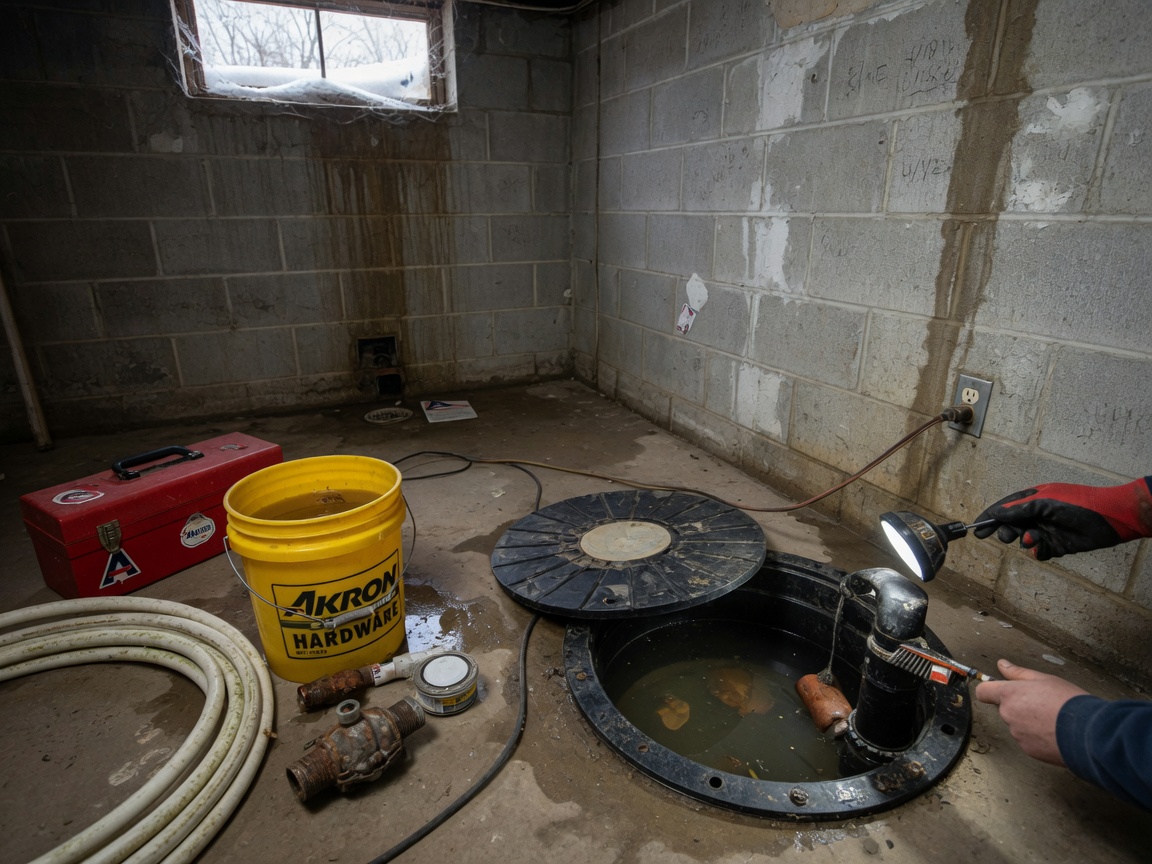
Before the Akron spring thaw, prioritize checking the float switch, clearing any ice from discharge lines, and verifying backup power systems to handle the sudden influx of meltwater from Summit County snowpack. These steps directly address the freeze-thaw cycle that stresses equipment in older homes across areas such as Goodyear Heights and Ellet.
Checking the Float Switch and Pump Operation
In Akron's humid continental climate, winter temperatures often drop low enough to affect mechanical components. Walk through your basement and manually test the float switch by lifting it to confirm the pump activates without hesitation. Older housing stock in West Hill and Middlebury frequently has pumps installed decades ago that accumulate debris, so remove any sediment around the switch first. Listen for unusual grinding noises during the test cycle, which signal motor wear from repeated freeze cycles. If the switch sticks or the impeller shows resistance, plan a full inspection rather than waiting for spring runoff to expose the failure. Document the pump model and age during this check so you can compare against typical 8–12 year lifespans common in Summit County installations.
Clearing and Inspecting Discharge Lines
Frozen or clogged discharge lines are a leading cause of sump pump failure once temperatures rise and snow melts rapidly in neighborhoods like Firestone Park and Kenmore. Trace the line from the pump to its exit point and look for kinks or standing water that may have frozen solid during recent cold snaps. Use a garden hose on low pressure to flush out any remaining ice or sediment without forcing the line. In Cuyahoga Falls homes with longer runs to street drains, elevation changes can trap water that refreezes overnight, so mark those low spots for extra insulation. Fixing Frozen Sump Pump Lines in Akron Winters covers the exact thawing sequence if you discover a solid blockage. Avoid routing discharge near foundations or into low-lying yards that stay saturated during the thaw.
Evaluating Battery Backup Needs
Power outages during spring storms often coincide with peak meltwater volume around the University of Akron campus and Stan Hywet Hall vicinity. Test any existing battery backup by disconnecting main power and running the pump through a full cycle to measure remaining battery capacity. Many homes in Highland Square still rely on basic systems without automatic recharge, leaving them vulnerable when utility lines go down. Consider upgrading to a dedicated battery backup sump pump system if your current unit is over five years old or shows corrosion on terminals. These systems maintain operation for 8–12 hours of continuous pumping, which matches the duration of most Summit County thaw events. Place the battery in a temperature-controlled area above the high-water mark to prevent cold-weather capacity loss.
Timing Repairs Before the Thaw Arrives
Schedule any needed sump pump replacement or discharge repairs now while demand remains lower than peak spring season. Akron Pump Pros operates from 73 E Exchange St, Akron, OH 44308 with hours Mon–Fri 8am–6pm and Sat 9am–2pm, allowing same-week service for most Highland Square and North Hill properties. Focus first on pumps showing signs of wear from the prior winter rather than waiting for visible water in the basement. This proactive approach prevents emergency calls once temperatures climb above freezing and groundwater rises quickly across the region.